
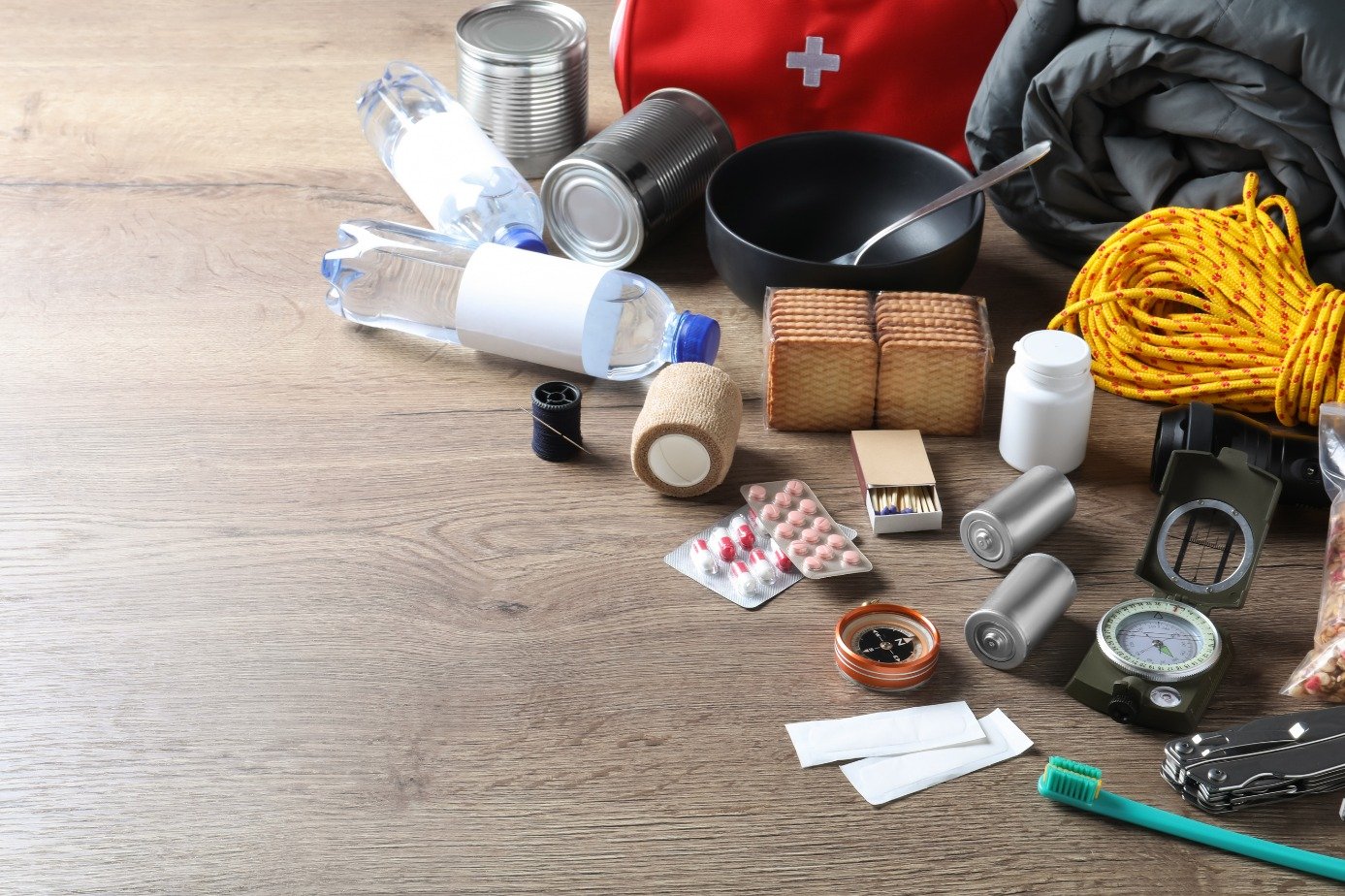
Create an Emergency Kit
-
Non-perishable food and water for at least 72 hours
-
First aid supplies
-
Flashlights and extra batteries
-
Battery-powered or hand-crank radio
-
Important documents in a waterproof container
-
Cash and credit cards
-
Prescription medications
-
Personal hygiene items
Develop an Evacuation Plan
-
Multiple evacuation routes from your home
-
A designated meeting place for household members
-
Contact information for local emergency services
-
A list of important phone numbers and addresses
Secure Your Home's Structure
-
Install storm shutters or impact-resistant windows
-
Secure loose roof shingles and repair any existing damage
-
Trim trees and remove dead branches near your home
-
Clear gutters and downspouts to prevent water damage
-
Anchor outdoor furniture and objects that could become projectiles
Protect Against Flooding
-
Install backflow valves on sewer and septic tank lines
-
Elevate your water heater, electric panel, and other utilities
-
Apply waterproof sealants to basement walls
-
Install a sump pump with battery backup
Prepare for Power Outages
-
Invest in a portable generator and maintain an adequate fuel supply
-
Install surge protectors to safeguard electronic devices
-
Keep a supply of batteries for flashlights and other essential devices
-
Consider a whole-house surge protector for comprehensive protection
Review and Update Insurance Coverage
-
Review your policy annually and adjust coverage as needed
-
Consider additional flood or earthquake insurance if necessary
-
Document your belongings with photos or videos for insurance claims
-
Store important documents in a fireproof and waterproof safe
Stay Informed
-
Sign up for local emergency alerts and warning systems
-
Follow local news and weather reports during high-risk periods
-
Familiarize yourself with your community's emergency plans and evacuation routes